

Why Crossing Midline and Bilateral Coordination Matter for Childhood Development
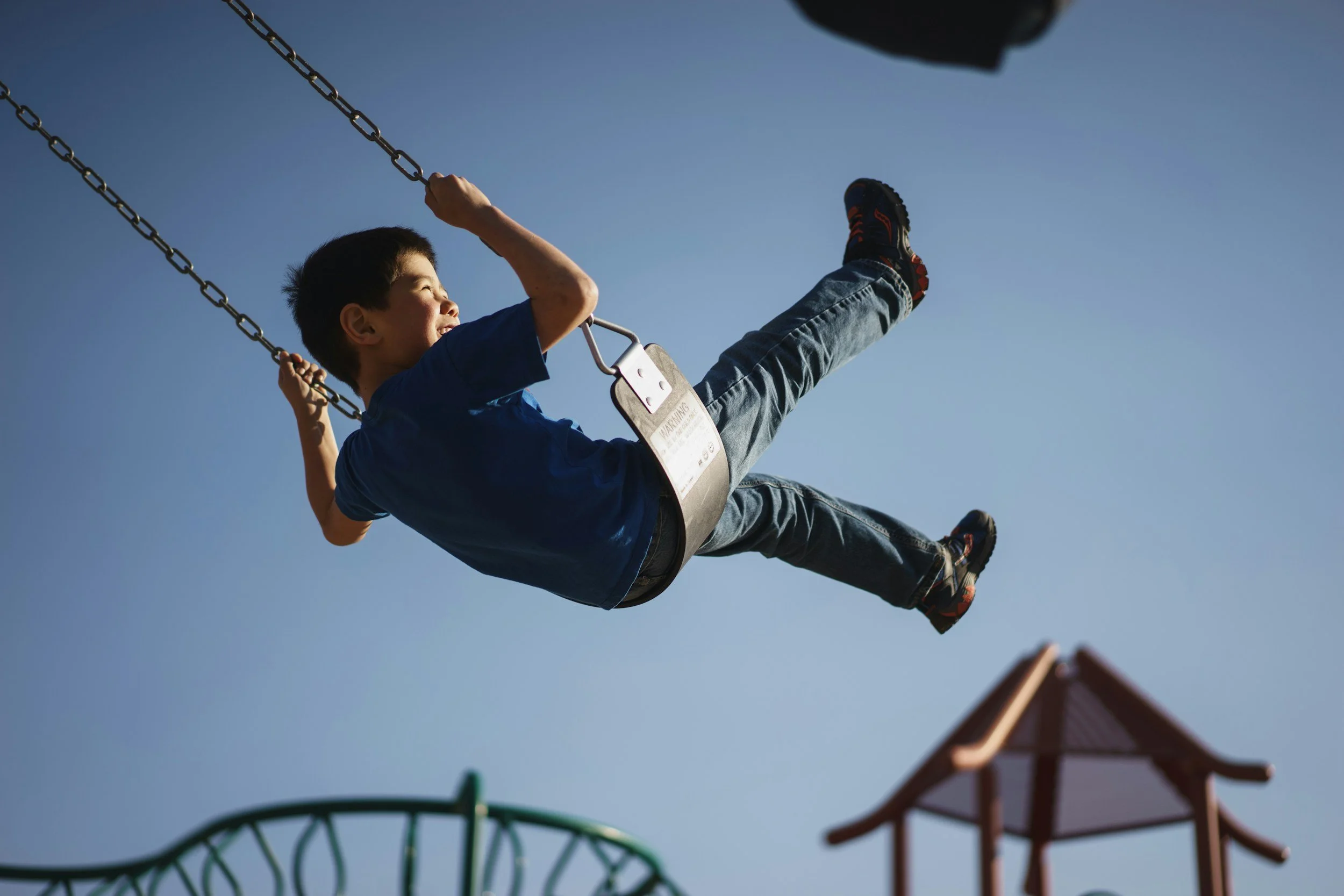
Reaching across the body seems like a small movement.
An adult may reach with the right hand to grab something on the left side of a desk without giving it any thought. For a developing child, however, that simple action reflects an important ability: the brain and body are coordinating both sides as part of one organized movement plan.
This is known as crossing midline.
Children rely on this skill throughout the day, while getting dressed, eating, playing, drawing, writing, and participating in sports. When crossing midline is not yet happening consistently, everyday activities may require more effort than parents realize.
What Does “Crossing Midline” Mean?
For example, a child crosses midline when they:
draw a horizontal line across an entire page
turn the upper body to catch a ball coming from the side
reach across the body to pull up a zipper
bring one foot across the body while dancing
reach into the opposite pocket
wipe the entire table without changing hands
use the right hand to pick up a toy located on the left
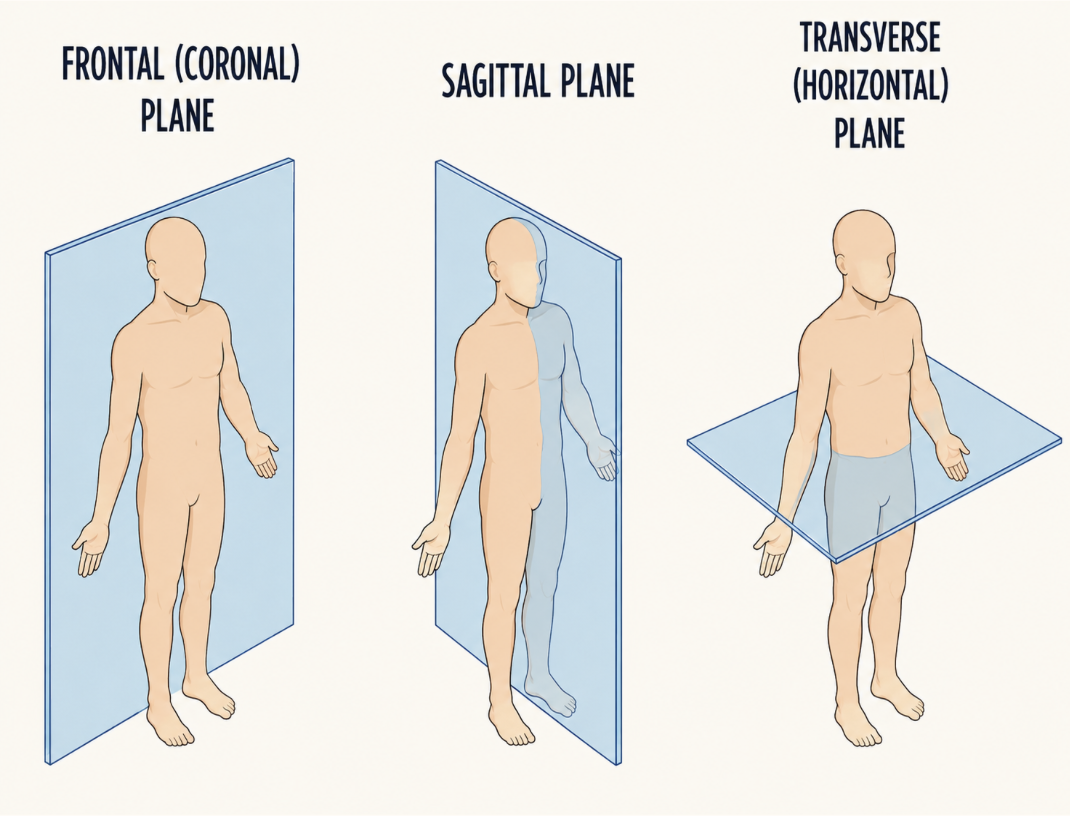
Imagine an invisible vertical line running from the top of the head down through the center of the body. This line divides the body into left and right sides.
A child crosses midline whenever a hand, foot, or other part of the body moves across that imaginary line into the opposite side of space.
For example, a child crosses midline when they:
draw a horizontal line across an entire page
turn the upper body to catch a ball coming from the side
reach across the body to pull up a zipper
bring one foot across the body while dancing
reach into the opposite pocket
wipe the entire table without changing hands
use the right hand to pick up a toy located on the left
Babies begin developing the foundations for this skill through early movement experiences such as bringing their hands together, reaching for their feet, rolling, crawling, and reaching for toys from different positions. As children grow, crossing midline gradually becomes more natural and automatic.
Crossing Midline and Bilateral Coordination Are Connected
Crossing midline is closely related to bilateral coordination, which is the ability to use both sides of the body together in an organized way.
Sometimes both sides perform the same movement. A child might use both hands to catch a large ball or push a heavy box.
In other activities, the two sides have different jobs. One hand may lead while the other provides support.
Consider how this works during common childhood tasks:
One hand holds the paper while the other cuts with scissors.
One hand stabilizes a bowl while the other stirs.
One hand holds a zipper track while the other pulls the zipper.
One hand writes while the other keeps the page from moving.
One hand holds a container while the other opens the lid.
The supporting hand is not inactive. It is performing an essential part of the task.
As bilateral coordination develops, the brain becomes better at assigning each side of the body a role and combining those roles into one efficient action. This helps movements feel smoother and reduces the amount of conscious effort required to complete familiar tasks.
The Connection to Hand Preference
Children naturally experiment with both hands when they are young. Over time, most begin using one hand more consistently for precise tasks such as drawing, feeding, and manipulating small objects.
Comfortably crossing midline helps a child use the preferred hand throughout the full workspace. Without that ability, the child may continue choosing a hand based primarily on where an object is located.
Parents may notice that their child begins drawing with one hand, switches at the center of the page, and finishes with the other. During a tabletop activity, the child may use whichever hand is closest rather than reaching across with the hand that has better control.
Frequent switching can make it harder for one hand to receive the repeated practice needed to develop speed, precision, and endurance.
Hand switching alone does not prove that a child has a midline difficulty. Children may change hands because of fatigue, task demands, limited hand strength, or normal experimentation. The pattern becomes more meaningful when it appears alongside other signs of difficulty with coordinated two-handed movement.
Parents also do not need to choose a dominant hand for their child or prevent them from using the other one early on in development. The goal is to provide varied activities that allow hand preference to emerge naturally.
What Parents Might Notice…
Challenges with crossing midline and bilateral coordination can appear differently depending on the child and the activity.
You may notice that your child:
struggles with buttons, zippers, utensils, or opening containers
becomes frustrated during handwriting, coloring, or other tabletop activities
finds cutting, lacing, or stringing beads unusually difficult
has trouble coordinating catching, throwing, or hitting a ball
switches hands frequently while drawing, coloring, or eating
has difficulty stabilizing objects with one hand
uses two hands for tasks that typically require one
loses their place when reading or copying across a page
avoids climbing activities that require opposite arms and legs
turns their whole body instead of reaching across it
reaches only for objects located on the same side of their body
moves the paper rather than allowing the writing hand to travel across the page
These observations do not provide a diagnosis on their own. They are clues about how the child organizes movement and how much effort certain tasks may require.
It can also help to notice whether the difficulty appears in one isolated activity or across several parts of the day. A child who dislikes handwriting may be responding to many possible demands. A child who switches hands while writing, struggles to cut, avoids catching, and has difficulty dressing is showing a broader pattern worth exploring.
When Might Occupational Therapy Be Helpful?
Children develop at different rates, and occasional awkwardness is part of learning. A closer look may be useful when coordination challenges are persistent, appear across several activities, or interfere with the child’s independence and confidence.
An occupational therapy evaluation may be worth considering if your child regularly:
avoids using one hand across the opposite side of the body
switches hands in ways that interrupt drawing, writing, or eating
struggles with coordinated two-handed activities
finds dressing and fasteners unusually difficult
becomes frustrated with cutting, handwriting, or crafts
avoids playground games, sports, or climbing
appears awkward or inefficient during everyday movement
needs significantly more help than expected with age-appropriate tasks
An occupational therapist looks beyond whether a child can cross midline during one specific exercise. The therapist may consider posture, balance, body awareness, visual-motor skills, motor planning, hand strength, sensory processing, and how the two sides of the body work together during meaningful activities.
This broader view matters because similar behaviors can have different causes. A child may switch hands because crossing midline is difficult, because the working hand tires quickly, because they are still developing a clear hand preference, or because maintaining a stable seated position takes too much effort.
Understanding the reason behind the behavior allows support to be more individualized.
Supporting Confidence Through Better Coordination
The goal is not to make a child perform a perfect cross-body movement on command.
The larger goal is for the child to move through daily life with greater efficiency, confidence, and independence. Crossing midline and bilateral coordination support the ability to get dressed, use classroom tools, join playground activities, participate in sports, and manage countless small tasks throughout the day.
At TheraPlay LA, we consider how a child’s coordination affects real participation—not only how the child performs during a single test or exercise. Therapy can use play, movement, and meaningful daily activities to strengthen the specific skills that are making life harder.
If your child frequently switches hands, avoids two-handed tasks, or seems to work much harder than expected during dressing, writing, or play, those patterns may be worth discussing. An occupational therapy evaluation can help determine what is still developing and what support may help your child participate more comfortably and independently.
